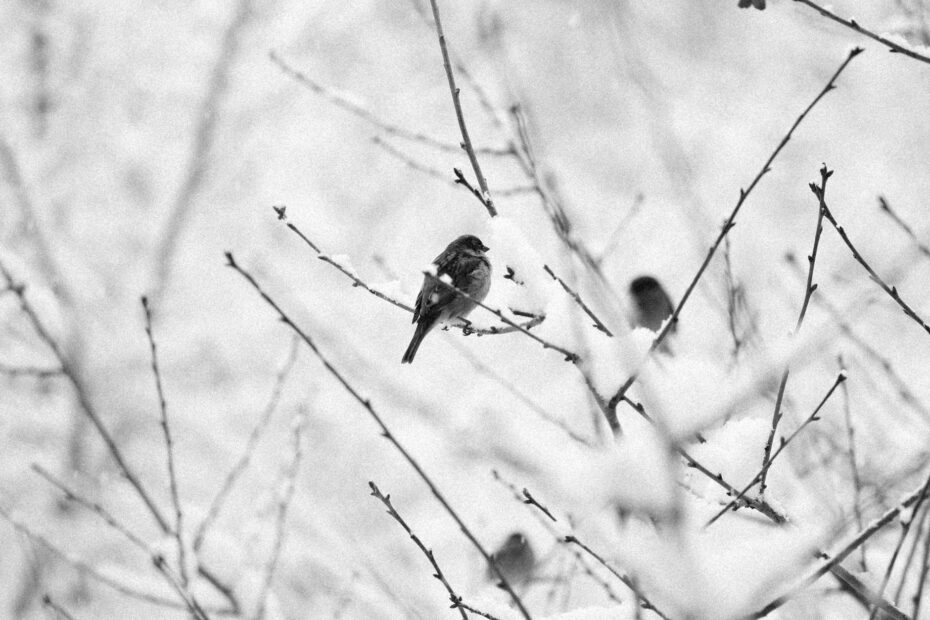
Have you ever wondered what truly helps birds make it through those frigid winter nights? It’s more than just a kind gesture; it’s a matter of survival.
Winter’s Challenge for Our Feathered Friends
Across Europe and North America, winter nights are becoming increasingly unpredictable and harsh. Garden birds, often lighter than a handful of coins, face a nightly battle against the cold. Bread and cake might seem generous, but there’s one food that truly helps birds stay warm, and it’s probably in your kitchen.
The Real Necessity: Energy and Warmth
For tiny birds like robins and sparrows, maintaining a body temperature of 40–42°C is critical. As temperatures plunge after sunset, their need for energy skyrockets. Feathers alone can’t keep them warm all night.

Even with a day of foraging, the calories from seeds and berries vanish quickly. As night falls, food becomes scarce under frost or snow. If a bird runs out of energy, it may never see the morning sun.
Common Missteps: Bread and Sweets
Many well-meaning people offer bread and pastries, but these foods provide little energy and can even be harmful. Bread fills birds’ stomachs without much nutritional value, and sugary treats can lead to a quick energy crash.
Processed meats and snacks pose even greater risks with high salt and additives, stressing birds’ systems rather than supporting them.
The One True Solution: Unsalted Animal Fat
What birds need most is concentrated energy from unsalted animal fat. Options like lard, suet, or unsalted butter provide steady, slow-burning fuel. Unlike sugary foods, fats release their energy gradually, offering a thermal battery to tap into throughout the night.

Birds are highly sensitive to salt, and even a small amount can cause dehydration or worse. Processed sugars also fail to provide lasting energy, making natural fats the superior choice.
Crafting the Perfect Fat Mix
Creating a homemade fat mix is simple and effective. Melt the fat gently, mix in seeds, and let it cool fully before placing it outside. Proper placement of these feeders is crucial to avoid predators and unnecessary conflicts.
Regular cleaning of feeders and providing fresh water are also important steps in creating a safe haven for birds during winter.
Beyond Food: Creating a Winter Refuge
While food helps, shelter is equally vital. A small patch of garden can serve as a refuge. When multiple homes adopt these practices, it creates a network of safe havens for birds, enhancing their chances of survival.

Providing fat during the colder months can significantly improve local bird populations. It’s important to taper off fat feedings as spring approaches when natural food sources and protein-rich insects become more available.
A Small Gesture with Big Impact
Imagine a blue tit, weighing less than a coin, able to double its energy reserves with a quick stop at your feeder. This small change can be the difference between life and death.
Your choice to offer unsalted fat during winter can transform a dangerous night into a manageable challenge, helping birds emerge strong and ready for the return of spring.

Why These Common Phrases May Signal You’ve Quietly Given Up on Happiness

Why China’s Ocean-Bound Data Center Is Making Waves in Tech
Did You Know These Veggies Are Secretly Related?

Why Leaving Vinegar Out Overnight Transforms Your Home’s Air

Discover How Elon Musk Plans to Revolutionize Brain Tech by 2026