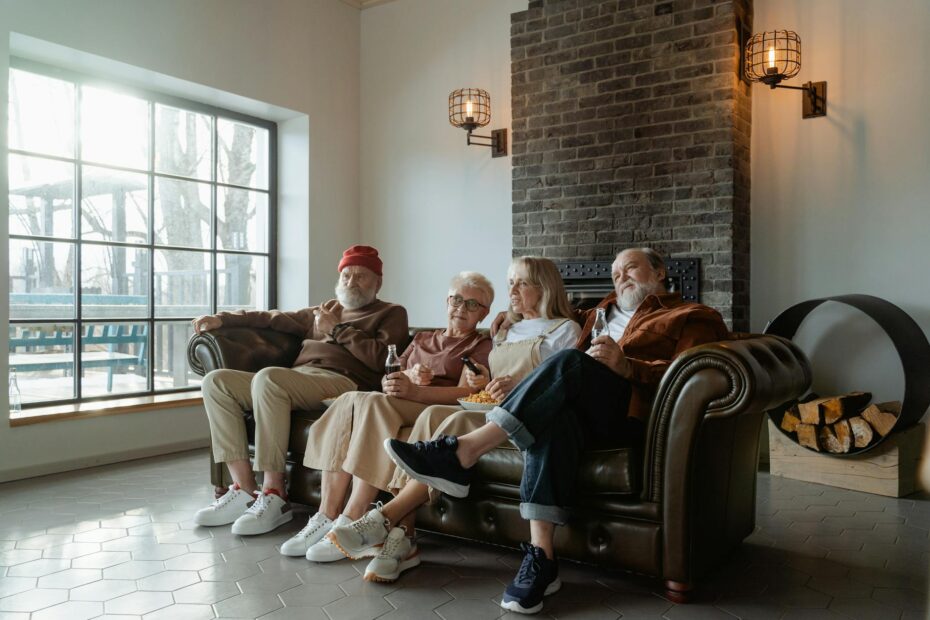
Ever wondered why some folks in their 60s and 70s seem so content? What if the secret isn’t in the latest tech but in their timeless habits?
The Morning Café Scene
Picture this: It’s Tuesday morning, 9:15 a.m., and in a cozy small-town café, a group of silver-haired regulars fills the room with laughter. No phones, no buzzing notifications—just warm mugs and familiar tales that somehow get funnier with each retelling.

Nearby, a young man in his twenties is engrossed in his devices. Earbuds in, multiple apps open, his attention flits from screen to screen. Busy, yes. Content? Not so much.
The older group lingers for a couple of hours. The young man leaves after 20 minutes, looking tense. Who really has “all the time in the world” here?
The Magic of Routine
Spend a day with people in their 60s and 70s, and you’ll notice their lives move at a pace that’s not lazy, just deliberate. They embrace rituals that may seem ordinary but are deeply fulfilling.
- A stroll around the block.
- Chatting with the same grocery clerk.
- Weekly calls with faraway siblings.
These aren’t just habits but anchors in their lives.

Deep, Steady Happiness
Younger folks often chase after viral trends and tech solutions, but older adults stick to what genuinely works for them. Their habits may not trend on social media, but they cultivate a happiness that technology can’t download.
Take morning routines, for example. While a 27-year-old might try various productivity hacks, many older adults have stuck to a simple morning ritual for years. A quiet cup of tea, watering plants, or reading a newspaper—these aren’t life hacks, but rooted traditions.
Predictable Joy
There’s a reason these routines are so effective. The human brain thrives on predictability. For a generation that witnessed economic upheavals and the dawn of the digital age, stability is soothing.
In contrast, younger individuals often crave novelty, leading to mental fragmentation. Older adults, having tested life thoroughly, focus on a few practices that truly bring peace.

Simple Connections
Ask those in their 60s and 70s about happiness, and they rarely mention self-optimization. They speak of small, meaningful gestures: calling a friend every Sunday, sending real birthday cards, cooking cherished recipes.
One powerful habit? Planned face-to-face meetings. Not group chats or endless messages, but real conversations. These interactions create a social safety net that stands strong, even when Wi-Fi falters.
Effortless Commitment
Many younger people over-engineer their attempts to emulate this lifestyle. They turn relationships into projects with color-coded calendars. But older adults prefer simple, low-pressure commitments.
- Weekly coffee with a friend.
- Volunteer shifts that double as social time.
- Hobby groups with no pressure to attend every session.
Kindness and flexibility are at the heart of their plans, allowing for life’s ups and downs without breaking.
The Essence of Happiness
As you observe those aging gracefully, you’ll notice nine enduring habits: slow mornings, consistent movement, real conversations, simple food, deliberate rest, modest spending, acts of service, curiosity, and a refusal to live through screens.
These aren’t clichés. Studies consistently show that strong social ties, purpose, and physical activity trump flashy biohacks for long-term well-being. The elders living these truths don’t quote research—they simply walk, connect, and learn to live with life’s challenges.
Sure, they have off days. They skip walks, indulge in TV, or retreat into themselves. But their default mode gravitates toward connection and rhythm, and that’s what truly matters.
In a world driven by technology, these age-old habits offer a blueprint for a happier, more connected life. Perhaps the real question isn’t why they’re so content, but how we can learn from their example.

Why These Common Phrases May Signal You’ve Quietly Given Up on Happiness

Why China’s Ocean-Bound Data Center Is Making Waves in Tech

Did You Know These Veggies Are Secretly Related?

Why Leaving Vinegar Out Overnight Transforms Your Home’s Air

Discover How Elon Musk Plans to Revolutionize Brain Tech by 2026