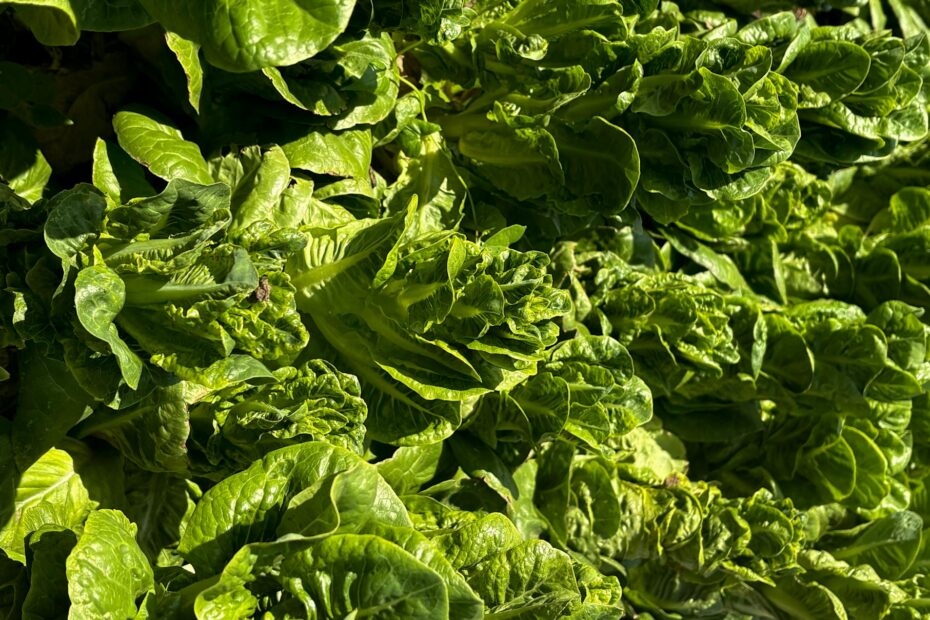
Ever wondered what broccoli, cauliflower, and cabbage have in common? A curious child at the market did, peering at these veggies as if they were long-lost relatives. And they are! All three are actually varieties of the same species: Brassica oleracea. Surprising, right?
Same Species, Different Flavors
Picture your local supermarket. You see broccoli’s green trees, cauliflower’s pale florets, and cabbage’s tight leaves. We cook them differently: broccoli in stir-fries, cauliflower in creamy dishes, cabbage in winter stews. Yet, botanists chuckle at this scene. They know these veggies share the same DNA.
Thousands of years ago, wild cabbages grew along European coasts. Over time, farmers noticed slight differences. Some plants had puffier leaves, others thicker stems. By saving seeds from favored plants, they gradually shaped new varieties. This humble plant evolved into broccoli, cauliflower, and cabbage through patient selection.

Flexible Plant, New Veggies
The magic of Brassica oleracea lies in its adaptability. By focusing on leaves, buds, or flowers, farmers created distinct vegetables without altering the species. This evolutionary journey transformed cabbage into a leafy ball, broccoli into budding florets, and cauliflower into a compact dome.
Think evolution is only for wild nature? Think again. Every time a farmer chose a ‘better’ plant, they nudged it closer to what we now find on our plates.
Kitchen Secrets Revealed
Knowing these veggies are kin isn’t just trivia. It’s a culinary shortcut! Because they’re related, broccoli, cauliflower, and cabbage behave similarly when cooked. Use the same spices and techniques across these veggies, and you’ll save time and reduce waste.
- Roast them with olive oil and salt for a caramelized treat.
- Swap them in recipes based on what’s available.
- Embrace their shared heritage for creative dishes.
A chef once told me, “Once you see them as the same plant in different outfits, your kitchen fears vanish. It’s like dressing the same body in another costume.” This mindset can transform how you shop and cook.

The Hidden Story of Your Plate
Next time you shop, remember: you’re not just buying veggies. You’re touching the result of ancient choices and human tastes. This awareness invites curiosity. If these three are related, what else in the veggie aisle shares a family tree?
Kale, Brussels sprouts, kohlrabi—they’re all part of this cruciferous saga. Your supermarket becomes a family reunion, revealing resemblances you never noticed.
This journey isn’t about knowing scientific names. It’s about connecting with the foods you eat. Your plate becomes a map of relationships, linking past choices to today’s meals.
So, next time you chop broccoli or cabbage, pause. Somewhere in history, a farmer chose a plant that looked ‘a bit different.’ That choice now flavors your kitchen, your lunch, your winter soup. And perhaps, that’s the real story behind these veggies that pretend to be strangers.


Why Your Knees Secretly Crave This Underrated Exercise

Why These Common Phrases May Signal You’ve Quietly Given Up on Happiness

Why China’s Ocean-Bound Data Center Is Making Waves in Tech
Did You Know These Veggies Are Secretly Related?

Why Leaving Vinegar Out Overnight Transforms Your Home’s Air