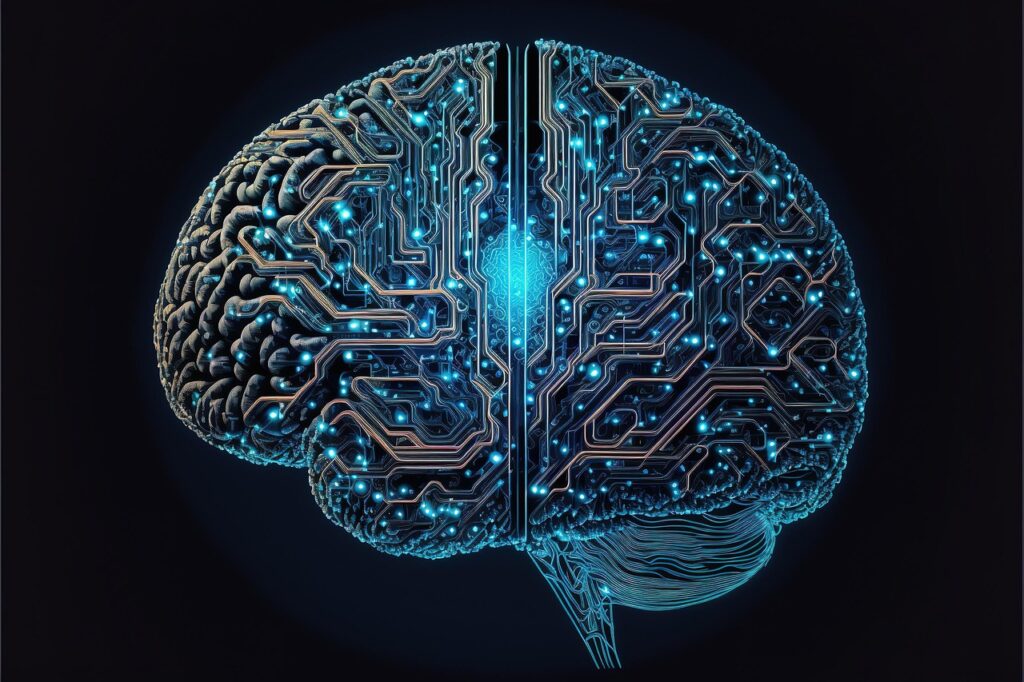
Can you imagine a world where your grandchildren never have a traditional job? It sounds like a sci-fi plot, but a Nobel Prize-winning physicist thinks it might be our future.
Picture this: a soft-spoken scientist sharing his thoughts in Stockholm, and while some in the room chuckle, others feel the weight of his casual comment about the future of work. It’s not just Elon Musk or Bill Gates making bold predictions about automation and AI this time—it’s a seasoned physicist.
The Shift to More Free Time
Free time like we’ve never seen before, but at what cost? Will jobs as we know them disappear? This physicist, who has spent decades studying complex systems, believes we’re heading toward a future where machines do what humans do, just cheaper and faster.

- Robots building cars
- Software handling legal tasks
- Algorithms writing smoother emails
These aren’t just predictions. They’re happening in industries from manufacturing to medicine. Experts estimate that by 2030, up to 30% of work hours could be automated. Are we ready for that?
Redefining Work and Identity
As productivity soars and traditional jobs fade, the link between time and money weakens. Instead of working hours, we might compete with tireless machines, leading to a world where GDP rises but job stability shakes.
Imagine living in a society where wealth and free time are abundant. But here’s the catch: our sense of identity, long tied to our jobs, might crumble.
Time as Your Portfolio
The physicist suggests a new way to approach time, viewing it as a portfolio divided into three buckets:

- “Survival time” for earning
- “Growth time” for learning
- “Joy time” for rest and relationships
Even if you’re employed full-time, nudging just 5% of your week towards growth—like learning AI tools or managing finances—can change your path.
Preparing for a New Normal
We often wait for others to announce new systems while our personal time slips away. The physicist advises starting small, engaging with things you care about. Love design? Spend a few minutes daily with AI image tools. Into writing? Explore AI drafts and hone your editing skills.
The real question isn’t about work; it’s about where humans will feel needed. By 2040, ‘what do you do?’ might get answers like, “I manage a community garden and mentor math students.” Income could come from a mix of AI dividends and human gigs.
Embracing Purpose
This future might not feel automatically fulfilling. Without restructuring our story of worth, more free time could lead to anxiety rather than peace.

Schools, families, and media will need to value contributions beyond job titles. Raising children, community-building, and creating culture should be celebrated.
The physicist echoes Musk’s scale of change and Gates’s vision of AI’s problem-solving power. Yet, he challenges us to explore the 20% of tasks that remain truly human, like comforting a patient or storytelling.
Our future doesn’t eliminate meaning; it refuses to let a job description define it. It’s about nurturing the deeply human parts of us, supported by new structures.

Why Your Knees Secretly Crave This Underrated Exercise

Why These Common Phrases May Signal You’ve Quietly Given Up on Happiness

Why China’s Ocean-Bound Data Center Is Making Waves in Tech

Did You Know These Veggies Are Secretly Related?
Why Leaving Vinegar Out Overnight Transforms Your Home’s Air