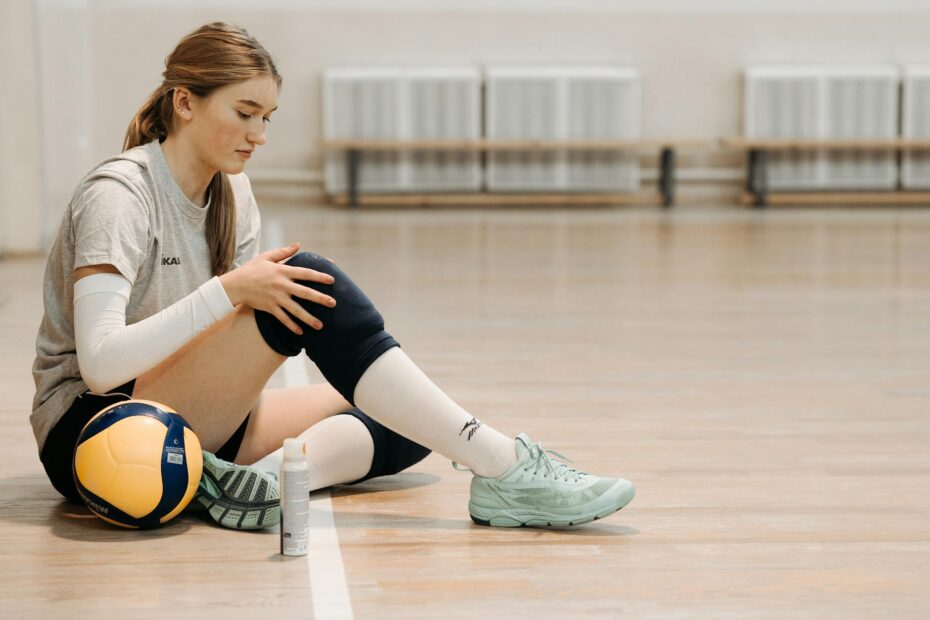
You know that feeling, right? The one where you stand up and your knee gives a little protest? It’s not unusual, but have you ever wondered why those aches and pains persist no matter what you try?
The Unexpected Solution for Knee Pain
Picture this: A fit-looking gentleman in his 50s, expensive running shoes, and yet, when he stands up, his knee betrays him with a slight buckle. He laughs it off, but his physiotherapist isn’t amused. She knows the truth that many overlook.
Swimming, Pilates, late-night YouTube stretches—he tried it all, but nothing made a lasting difference. Then came a revelation, an activity often underestimated but profoundly effective.

The Power of Progressive Strength Training
It’s not about becoming a bodybuilder or risking reckless squats. It’s about focused, controlled strength training targeting the muscles around your knee—your quadriceps, hamstrings, and glutes.
- Getting up from a chair
- Pressing against a resistance band
- Slowly stepping onto a low step
From the outside, they seem simple. But inside, they revolutionize knee health.
A Real-Life Transformation
Meet Marta, 62, who loved her park walks but dreaded stairs. Swimming only helped until she was back on land. Her strategy changed with twice-weekly strength sessions, starting with basics like sitting and standing with a weight, wall sits, and mini-squats.
Six weeks later, a mundane act like getting out of a car was pain-free. Just normal. No Instagram-worthy moves, but life-altering nonetheless.

Why Strong Muscles Matter
Knee pain stems from various sources: worn cartilage, old injuries, or simply too many “push through it” weekends. Yet, the consensus is clear: stronger muscles mean less pain and more freedom.
Your thighs are shock absorbers. Weak muscles allow impact to hit the joint hard. Strong ones cushion the blow, protecting your knees.
Getting Started with the Right Routine
Think of this as your starter kit, two or three times a week:
- Sit-to-stand from a chair, using your arms if needed
- Standing knee bends while holding a countertop
- Mini-squats holding onto a stable surface
- Straight-leg raises lying on your back
Start with body weight, progress to light weights or bands. It’s about the journey, not the destination.

The Middle Path to Pain Relief
Many with knee pain stop moving or dive into intense workouts. Both can backfire. The art lies in moderate effort—enough to signal growth without agony. If the pain remains mild and subsides within a day, you’re on track.
Consistency over perfection is key. Twice a week for a year beats a short-lived, intense effort.
The Emotional Shift
Julien, 45, found hope in strength training after a running injury. “Pain made me fear my body,” he shares. “Strength training proved my knees weren’t broken, just under-supported.”
Your knees may not feel 18 again, but the goal is management, not a miracle.
How Life Changes
Progressive leg strengthening won’t erase every click or crunch but will expand your world. Stairs become manageable, walks enjoyable, and holidays less daunting.
Beyond physical benefits, people report better sleep, less anxiety, and a renewed sense of adventure without the constant knee worry. They don’t become gym fanatics; they just embrace a simple, powerful routine.
Sure, doubts linger—”too old,” “knees too far gone,” “no time,” “hate gyms.” Yet, those who succeed aren’t the youngest or fittest. They’re the ones who give their knees a patient chance with slow squats, a steady breath, and a commitment to return.

Why These Common Phrases May Signal You’ve Quietly Given Up on Happiness

Why China’s Ocean-Bound Data Center Is Making Waves in Tech

Did You Know These Veggies Are Secretly Related?

Why Leaving Vinegar Out Overnight Transforms Your Home’s Air

Discover How Elon Musk Plans to Revolutionize Brain Tech by 2026